Cinematic Reflections: How Film and Advocacy Unite in the Fight Against Cancer
In a world where stories hold the power to inspire and unite, cinema has emerged as a beacon of hope, especially in the realm of cancer advocacy. Every year, millions of individuals are touched by cancer, either as patients or as part of the expansive cancer community. But how can film contribute to this fight? Through its unique ability to portray real-life struggles, victories, and the profound reality of the cancer journey, cinema not only raises awareness but also fosters a deep sense of empathy. As we explore the intersection of film and cancer advocacy, it’s essential to ask: can the flicker of a projector illuminate the path to better health and wellness?
Documentary films and biographical movies often delve into the intimate experiences of those affected by oncology news, providing invaluable cancer education to viewers. These narratives often highlight inspiring cancer survival stories, showing individuals who have faced daunting diagnoses and emerged victorious. A poignant example is the documentary 'Life Itself,' which chronicles the life of film critic Roger Ebert. His battle with cancer was not just a story about illness; it resonated with themes of resilience, passion for life, and the importance of patient support. As audiences watch these powerful films, they not only witness these journeys but are often encouraged to engage in their own health advocacy and take proactive steps in preventive care.
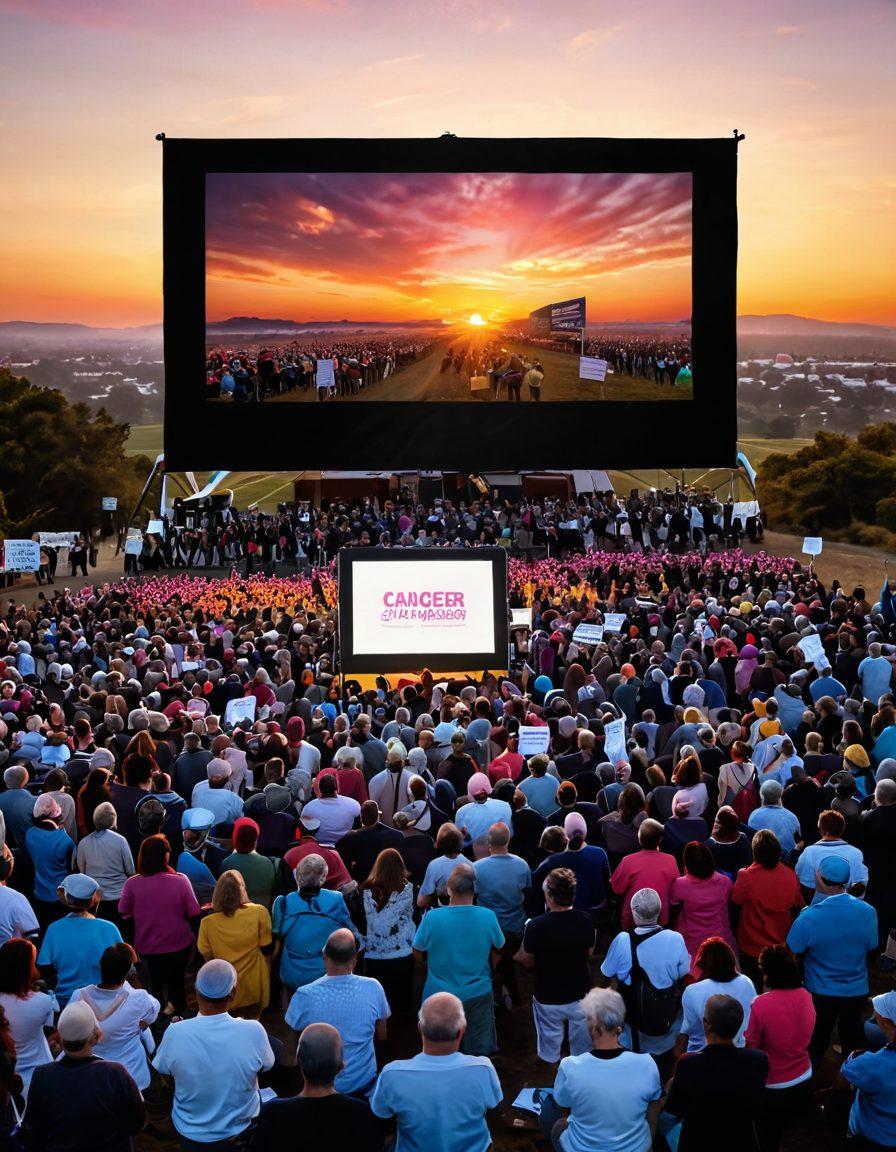
Film festivals dedicated to health and wellness have begun to emerge, showcasing stories that emphasize cancer advocacy. These events create a platform for filmmakers and activists to discuss oncology advancements and how advanced medical research can lead to better patient outcomes. Conversations surrounding cancer initiatives at these festivals can spark important discussions about screening for cancer and help to diminish the stigma surrounding the disease. Is it possible that cinematic experiences can empower individuals to seek help and educate themselves about cancer symptoms? It seems that the answer is a resounding yes. Through poignant film discussions and communal viewing experiences, audiences are able to explore and analyze the multifaceted narratives of cancer.
The theater has an unparalleled ability to connect people across diverse backgrounds, allowing viewers to share their collective health experiences. Films such as '50/50' and 'The Fault in Our Stars' creatively combine drama and comedy to address serious topics like cancer. These therapeutic films not only entertain but also provide crucial insights into the lives of those battling cancer, addressing the emotional complexities of survivorship. They challenge preconceived notions about cancer lifestyles, stimulating conversations in support groups and beyond. Just as art often reflects society, these films become educators, urging us all to participate actively in our own health journeys.
In conclusion, as the entertainment industry continues to evolve, the value of cinematic commentary on cancer advocacy can't be overstated. The storytelling power of film has the potential to transform our understanding of the disease and bridge the gap between patients and the larger health community. As we celebrate cinematic influences in the fight against cancer, we must also remember that through storytelling, we can support initiatives focused on patient education and support. So the next time you watch a film that resonates with you, consider the larger message it carries. Are you ready to join the movement and amplify the dialogue by sharing your thoughts? Together, we can harness the power of film to inspire change; one screening at a time.
From Screen to Survivor: The Role of Film in Shaping Cancer Narratives and Support
In a world where stories shape perceptions, the role of film in conveying cancer narratives cannot be overstated. From biographical movies to documentaries, the cinematic portrayal of the cancer journey goes beyond mere entertainment. It serves as a bridge connecting oncology advancements with the cancer community, raising awareness, and fostering support. Have you ever wondered how a film can inspire a cancer survivor or motivate an advocacy initiative? These cinematic experiences often become catalysts for change, providing a voice to those battling illness and engaging audiences to rally behind health and wellness causes.
Consider the moving story of a cancer survivor depicted in a documentary film. As they recount their journey through diagnosis, treatment, and ultimate resilience, the audience is drawn into their world, experiencing first-hand the trials and triumphs of cancer survival. Such patient stories not only educate viewers about cancer symptoms and the complexities of treatment but also promote a sense of belonging within the cancer community. When we watch these films, we are compelled to ask ourselves: How can we contribute to the fight against cancer? What role can we play in amplifying these important narratives?
With the rise of cancer advocacy and various cancer initiatives, filmmakers are increasingly focusing on delivering educational films that spotlight important health tips and the latest oncology news. Feature films and drama films often explore the emotional landscapes of families coping with cancer, revealing the holistic health aspects and preventive care strategies that can significantly influence outcomes. The sentiments captured in these films resonate with audiences and spark discussions in support groups and wellness resources, urging viewers to take action in their health care decisions.
But it’s not just about the emotional impact; the film industry also plays a crucial role in healthcare insights. Through movie analysis and commentary, critics and audiences dissect how cancer is portrayed in entertainment news, often challenging stereotypes and promoting a deeper understanding of the cancer journey. How do these portrayals affect public perception? We have the power to shape the narrative. Engaging in film discussions and sharing insightful reviews can elevate cancer education and inspire change in the way society views cancer care and survivorship.
From film festivals showcasing inspirational films to theatrical releases that delve into the essence of the cancer lifestyle, each frame contributes to a broader narrative of hope and resilience. As we immerse ourselves in these stories, we find ourselves not just as spectators but as participants in a larger movement. Documentaries can serve as rallying cries while biographical movies honor the struggles of those we've lost and those who continue the fight. So, the next time you watch a movie related to cancer, take a moment to reflect on how these cinematic moments resonate with your own understanding of health and wellness. It's not just film; it's a powerful tool for change.
Cinematic Healing: Exploring the Intersection of Film, Community, and Cancer Resilience
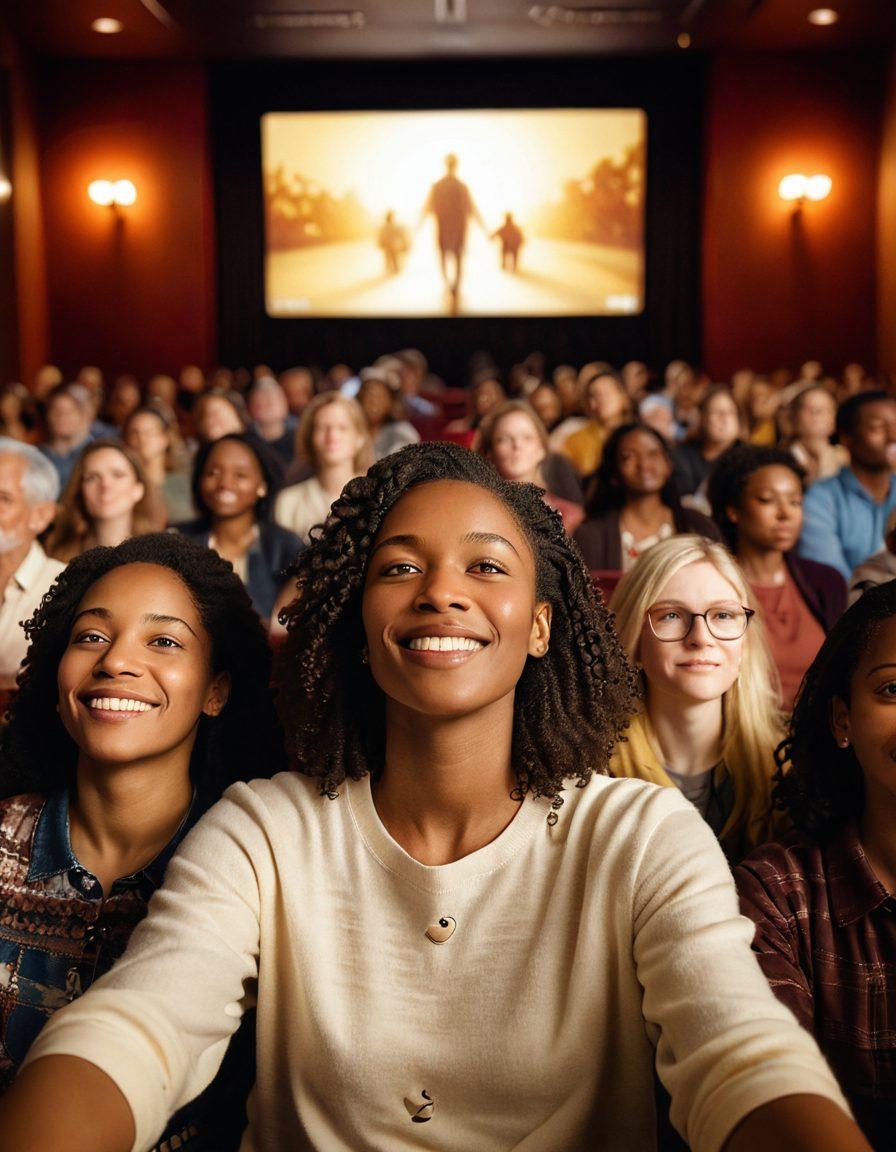
In a world where the big screen often reflects societal struggles and triumphs, cinema has emerged as a powerful vehicle for exploring deep human experiences, including the journey through cancer. Imagine walking into a darkened theater, the air thick with anticipation, only to find your life’s story mirrored on the screen. This is not merely entertainment; it’s cinematic healing. From documentaries to biographical movies, the film industry has produced an array of content that resonates profoundly with those impacted by cancer. Whether you’re navigating the complexities of cancer survival, or you’re a family member seeking to understand a loved one’s plight, these cinematic experiences offer lessons, community, and sometimes, a glimmer of hope.
Cancer advocacy has evolved significantly, emphasizing the importance of storytelling in the fight against this relentless disease. A film like "The Fault in Our Stars" not only entertains but also invites viewers to experience the struggle with cancer through the eyes of its young protagonists. As you dive into movie analysis and commentary, consider: how do these narratives shape our understanding of health and wellness? They create a cancer community that transcends borders—that shares patient stories and cancer journeys that many might find daunting or isolating.
Cinematic experiences also open doors to conversation and education about cancer symptoms and risks. When films highlight true-to-life stories, they often spark important discussions around preventive care and health tips that could affect audiences in a tangible way. Think about how many viewers have been inspired to stay informed about screenings for cancer after watching an educational film that discusses the importance of early detection. These films act not only as entertainment but as tools for empowerment and knowledge, bridging the gap between the entertainment industry and oncology news.
Moreover, film festivals have become vital platforms where health advocacy and cinema intersect. Inspirational films that discuss cancer initiatives and healthcare insights take center stage, inviting survivors and advocates to share their experiences. The therapeutic nature of storytelling in film can be cathartic for both the subject and the audience, fostering an environment where audience members can connect over shared experiences. This connection is crucial in the cancer community, enabling conversations around survivorship and patient support that uplift and inspire.
As we delve into the realm of theatrical releases and wellness resources, it’s clear that the connection between cinema and cancer resilience runs deep. The emotional depth of drama films and the informative brilliance of documentary films can ignite discussions that promote understanding and support within the cancer lifestyle. Whether it’s attending a film screening or engaging with film reviews and movie trailers, there’s a profound beauty in how cinematic reflections serve not just to entertain, but to heal. In this rich intersection of film, community, and advocacy, we find a source of strength and inspiration that empowers us to confront cancer with courage and resilience.